
Post-Traumatic Stress Disorder (PTSD): Understanding Trauma and Reclaiming Your Life
“Trauma refers to a powerful emotional response to an event that feels catastrophic in nature such as a natural disaster, abuse, acts of violence or war, death, or a serious accident. The exposure can be terrifying, painful, or confusing and usually involves a perceived or actual lack of control.
Living through an unexpected catastrophe can flip a switch in the fear center of our brains and send us into a mode of perpetual waiting for the next tragedy. With the brain’s fear center activated, feeling at ease and experiencing joy can become difficult or even impossible.
When a traumatic event or loss occurs, multiple feelings occur in us, sometimes all at once. If those intense, messy feelings aren’t fully processed, they can interfere with our ability to function in relationships, school, work, and life. Those dormant, intense feelings can also resurface when a new situation threatens our sense of control leading us to become destabilized by anxiety, rage, depression, paralysis, or to utilize self-defeating habits in an often fruitless attempt to regain control or emotional stability. ”
After experiencing or witnessing a horrific or traumatic event, like a fire, a plane crash, violence, it is normal to feel scared, sad, anxious, furious, and/or disconnected, even after the catastrophe is over and you are out of danger. For some people, these reactions gradually resolve as the mind and nervous system adapt to what happened. For others, the effects of trauma persist or emerge later, interfering with relationships, work, and daily life and potentially developing into Post-Traumatic Stress Disorder (PTSD).
PTSD can develop at any time—even years after a traumatic event.



PTSD can be caused by direct or vicarious exposure to any situation that feels uncontrollable and awful, and is not limited to exposure to natural disasters (e,.g., wildfires), war, school shootings or violence, serious injury, sexual violation or other catastrophes. Exposure to a traumatic event can occur in many ways: by directly experiencing it, by witnessing it, by learning that it occurred to a close family member, friend, or member of your community, or by experiencing repeated exposure to unpleasant details about the event from other people, news, or social media.
PTSD has many causes and contributing factors such as:
Serious natural disasters (Fires, Floods, Earthquakes, Hurricanes…)
Serious health problems including terminal diagnoses (your own or that of a loved one)
Violent physical or sexual assaults (experienced directly or vicariously)
Random acts of homocidal violence (School Shootings, Hate Crimes — religious, political, or racial violence, etc.)
Abuse (verbal, physical, social, sexual)
Combat exposure (war, terrorism, or extreme, repetitive conflict)
Death of someone you knew or loved
Witnessing murder or abuse or devastation
3D Render Blue/Green Images by Logan Voss on Unsplash

PTSD Risk Factors: Who Is Most Vulnerable After Trauma?
Although trauma exposure is the main risk factor, there are additional factors that influence who ultimately experiences PTSD. It is almost impossible to determine who will experience PTSD after trauma exposure and who won’t, but it is important to consider all risk factors when assessing the likelihood that you or your loved ones may be suffering from it.
PTSD Symptoms: How Trauma Can Affect the Mind and Body
Symptoms of PTSD are often persistent, severe, and can take a toll on your quality of life, so it is important to seek out help as soon as you can. PTSD can be successfully treated; you can feel optimism again instead of heartwrenching pain. Symptoms may emerge as early as one day after the traumatic event, but symptoms often emerge later, even years after the event. PTSD symptoms are often grouped into four potentially non-exclusive categories:
1) Intrusive and Re-Experiencing Symptoms
2) Changes in Mood and Thinking
3) Avoidance
4) Hyperarousal and Reactivity
A trained health care provider can determine whether your symptoms meet the criteria for PTSD and develop an appropriate treatment plan to help you heal.
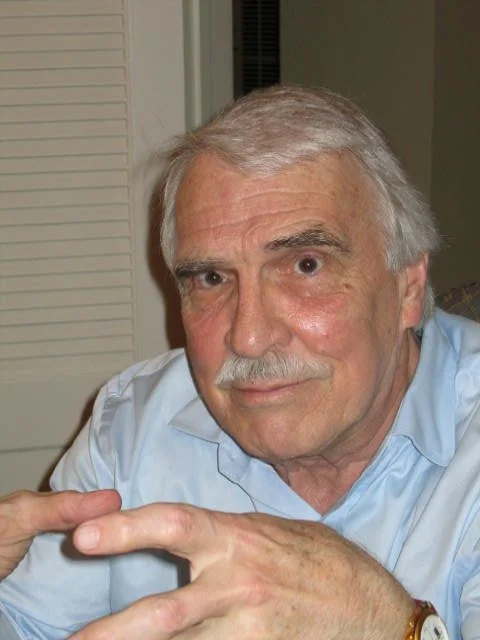
Photo: Dr. James Walker demonstrating the grip PTSD can have on the human life force.
PTSD can be successfully treated; it’s never too early or too late to seek help. Effective psychotherapy can help relieve your symptoms and heal, teach you valuable coping skills, and improve your quality of life. If you have any questions about your symptoms or suitability for professional help, check out the trauma recovery links on our community resources page. Or, to obtain resources that may help you feel better, feel free to contact me for help or additional resources.