

OVERDOSE BEREAVEMENT: Recovering after Losing a Loved One to Addiction
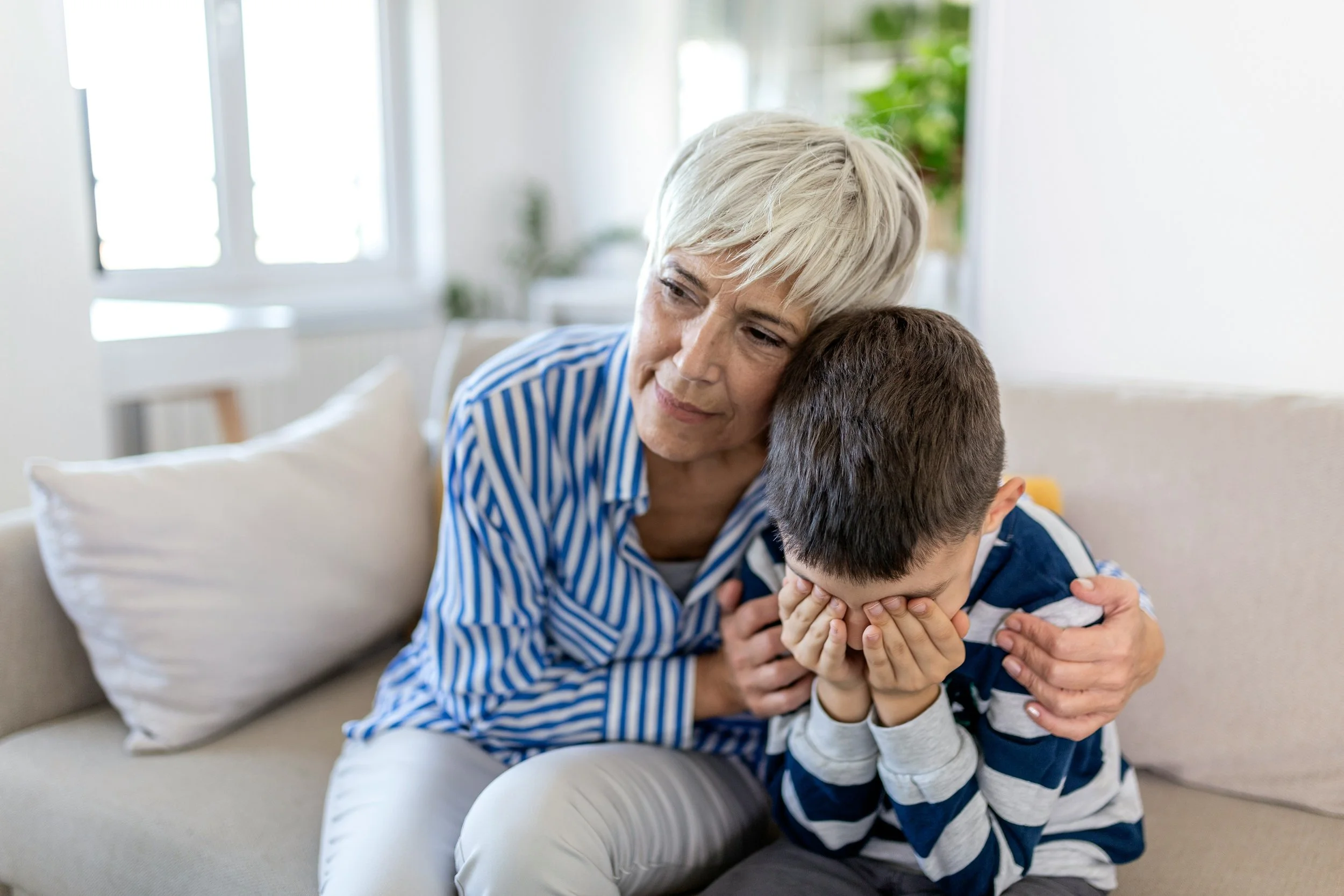
Bereavement following the death of a loved one to opioid or substance overdose causes heart-wrenchingly painful and complex feelings in the survivors, especially in the mothers, fathers and siblings of the overdose victims.
These often sudden and unexpected losses mobilize anguish and heartache in the survivors that is poorly understood by most in the mental health community. This is a different type of grief, and the complex nature of the feelings that surface in the aggrieved family members must be carefully explored in order to help the surviving loved ones heal. When our brothers, sons, sisters, or partners lose their lives to a drug overdose, we are left with more unanswered questions than answers. Most survivors do not know whether the death was intentional (planned suicide) or accidental which further complicates the grieving and recovery process of the surviving loved ones.
Drug-death bereavement, if untreated and unresolved, is associated with adverse and chronic mental health conditions among grieving family members (longitudinal research examining psychological recovery in parents, siblings, & partners).
The Importance of Saying Goodbye to the Person You Knew
“For a loved one or survivor to heal, saying goodbye must also occur when we lose a child, partner, friend, or parent to an addiction — even while they are still alive. It is essential for healing that we acknowledge change and our complex feelings about even small/er losses.”

Continuing Bonds
Even though saying goodbye must occur when we lose a child, partner, friend, or parent, it is equally important to find a way to maintain a continuing emotional relationship with the object of your loss. In many cultures, practices are devoted to memorializing joyous experiences of people, places, pets, and life phases that no longer exist (as we knew them).
To process grief, we must emotionally and intellectually say goodbye to what and who we lost. A well-rounded ending is defined as an ending marked by an experience of closure, where the person feels that he has done everything possible to tie up loose ends and acknowledge what was previously unconscious or unspoken. If a well-rounded ending is not achieved, the grieving person could be flooded by feelings of regret or obsessions which interfere with the healthy transition into a new phase of life. This interrupted mourning can share many symptoms of—and similarities with—post traumatic stress disorder (PTSD). Since we tend to avoid facing feelings that are too painful for us to bear alone, an experienced psychologist or other expert can help you face and process the feelings that are too difficult to access or to bear by yourself.

The Five Stages of Grief
Dr. Ross wrote extensively about five stages of grief that typify the stages of feeling and dealing that people experience when facing death or significant change (death of a child, sibling, spouse, parent of friend, retirement, loss of a home or a job, etc). Even though these stages of grieving suggest a typical order, people are unique in the manner and sequence in which they expereince grief. Grief that does not get fully processed often results in psychological difficulties, either at the time of loss, or extended over time. Unresolved grief often leads to “pathological mourning” and other conditions which can show up as symptoms that may not be easily identifiable as a consequence of the original, earlier loss. To decrease immediate and longtern suffering, it is of critical importance to quickly seek the help of a grief recovery expert after a meaningful loss …of a child, a parent, a spouse….
Grief and Anger —- Feelings come in clusters and waves
It is normal to feel anger in response to loss. The anger felt by family members, partners, and close friends of a drug overdose victim is often hidden behind the more pronounced and/or socially acceptable feelings of sadness and grief. Often survivors also feel guilty about their perceived inaction in the face of a loved one’s suffering. Even if the surviving partner, sibling, parent/s, or friend did everything in their power to help the overdose victim, survivors rarely feel that they did enough. For survivors to preserve their own mental health in the wake of a tragic loss, it is essential that they avoid redirecting anger toward themselves when the anger’s true target may actually be their lost loved one, the medical establishment, a higher power, and/or those who aided and abetted the victim and his addiction.
TOOLS TO PROCESS COMPLICATED BEREAVEMENT
Coming soon…



How will I ever live without him? A heavy-hearted feeling after losing a loved one is normal. Grief often comes in waves. It serves as a reminder that you have survived a significant loss of someone (or something) meaningful.
Tips for Managing the Goodbyes in your Life.
Remember that loss and goodbyes are a part of life, and that grief is a feeling that is just as important as any other feeling you have and is deserving of tender respect. Feelings pass if we honor them. And grieving is a process, which usually gets experienced as waves of emotion. Don’t rush your grief. Ride grief’s waves and take comfort in the fact that someone or something meant so much to you. Open your mind and your heart to all that grief can teach you about what matters to you. Take the time to understand what your grief can convey to you about your values, your precious memories, and the time, places or people that touched your life.
Pay attention to your thoughts, emotions, and any anxiety you feel (that can distract you from your grief). Let those waves of feeling move through you so you can find relief and resurrect or remodel your sense of purpose.
Get curious! Make space in your mind and heart for the many different emotions and longings that loss stirs up in you.
Create an action plan designed to help you elevate your grief processing strategies.
Try not to use weed, alcohol, recreational drugs, pornography, or streaming services to escape from your grief.
Try not to detach or dissociate. Pretending you did not suffer a loss does not make it unhappen.
You are likely stronger than you know.
Telling yourself you have the strength to grow through this loss experience could be the first step in your constructive healing and growth process.
Hold and nurture yourself the way you would a child who has lost a relative, a friend, or something of value.
Practice compassion, tenderness, patience with YOURSELF. Nurture your own life force while you mourn the physical loss of another.
Consider developing a practice where you erect a "continuing bond” practice. How can you stay connected to and engaged with the spirit of the person or the entity you lost?
Talk to yourself with curiosity and compassion. Talk to trusted others who have a genuine interest in your feelings and your quality of life. We tend to imitate the caregiving qualities of our parents in the way we treat ourselves and others (internalized attachment patterns). If your parents did not pay attention to your grief or their own, make a commitment to treat your own feelings, and the feelings of others you care for, differently. In so doing, you can stop the intergenerational transmission of trauma.
Consult an expert who can help you process your loss and provide you with tools to move forward with intention and efficiency. Many local hospitals and mental health clinics offer grief therapy groups. Try to find someone who has the experience and skill to help you process your strong feelings instead of someone who guides you to distract yourself or bury your feelings. Don’t aggravate and prolong your pain by postponing your healing.
The feelings we do not properly process can weigh us down and lead to disruptive, perpetual anxiety along with a depressed state of mind.

Page Images: Getty Images for Unsplash